
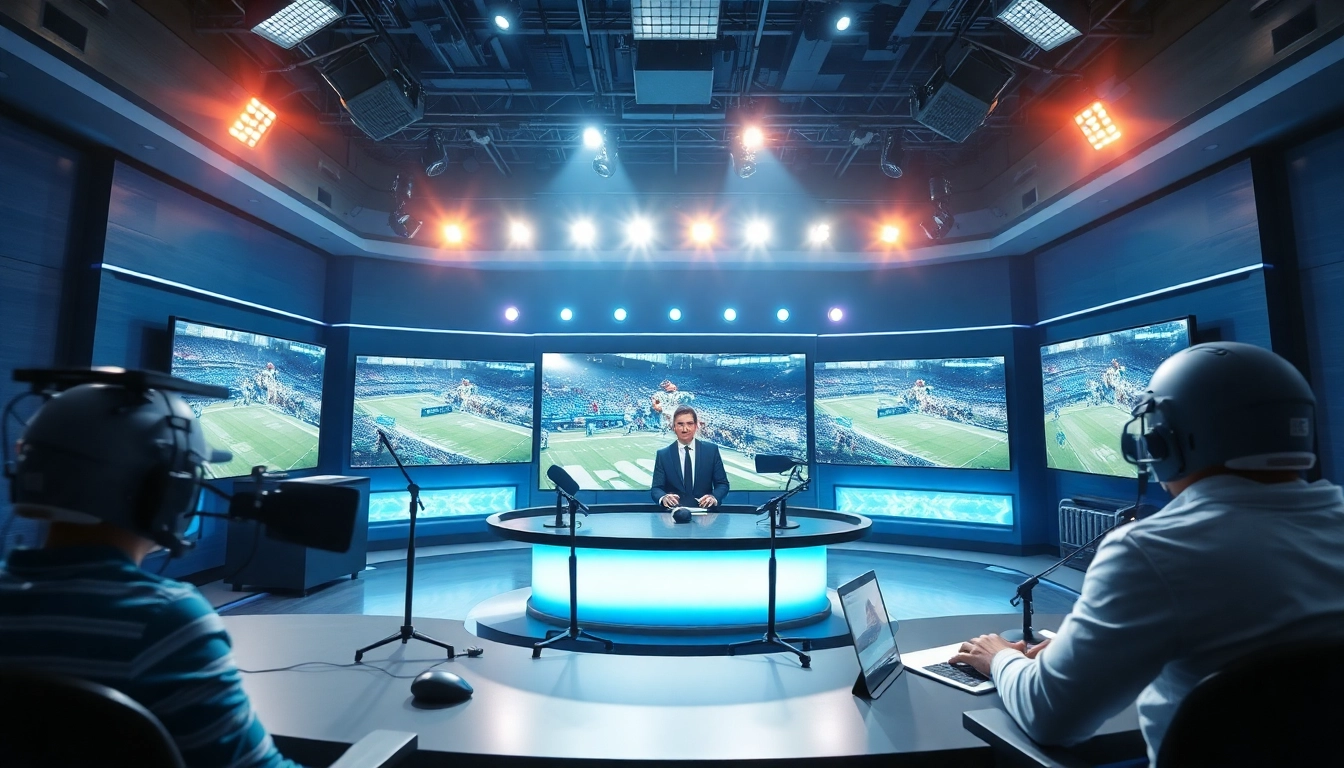
Understanding the Basics of Sports Broadcasting
In the ever-changing landscape of media, Sports Broadcasting has emerged as a crucial segment, intertwining sports and entertainment through a multifaceted array of platforms. As audiences increasingly demand nuanced content, the essence of sports broadcasting has transitioned beyond mere game commentaries, evolving into a cultural phenomenon that influences public engagement and economic value within the sports industry.
What is Sports Broadcasting?
Sports broadcasting refers to the process of transmitting sporting events to an audience through various channels, including television, radio, and digital platforms. In essence, it serves as a bridge connecting fans to their favorite teams, players, and competitions. With roots deep in traditional media, sports broadcasting has increasingly embraced emerging technologies, offering an array of interactive experiences. Broadcasters are tasked with not only delivering live events but also crafting engaging narratives that enrich the fan experience.
History and Evolution of Sports Broadcasting
The origins of sports broadcasting trace back to the early 20th century, where radio played a pivotal role in bringing live sports commentary to the masses. The advent of television in the 1950s significantly transformed the landscape, making sports accessible to a broader audience. Iconic moments, such as the 1958 NFL Championship Game, showcased the potential of televised sports and led to a surge in viewership.
As technology advanced, so did sports broadcasting, moving towards satellite and cable sports channels, which allowed for 24/7 coverage of events. The digital era then introduced streaming services and social media platforms that further revolutionized how audiences consume sports content. Today, sports broadcasting encompasses diverse formats, including short clips on social platforms to in-depth long-form analyses, connecting fans worldwide.
The Importance of Sports Broadcasting Today
In today’s fast-paced world, sports broadcasting plays a vital role in maintaining viewer engagement and loyalty. It generates millions in advertising revenue and global partnerships. The outreach facilitated through sports broadcasting not only boosts team and player recognition but also serves as a catalyst for the economic growth of the broader sports ecosystem. Fans expect real-time updates, highlights, and analysis, prompting broadcasters to innovate continuously to meet these demands.
Key Techniques in Sports Broadcasting
Effective Communication Skills for Broadcasters
At the heart of successful sports broadcasting lies effective communication. Broadcasters must convey information clearly, succinctly, and engagingly, ensuring they can resonate with diverse audiences. Techniques such as storytelling, vocal modulation, and using jargon appropriately can enhance a broadcaster’s delivery. Furthermore, the ability to adapt to different formats—be it live commentary or post-event analysis—is essential for maintaining audience interest.
Understanding Audience Engagement in Sports Broadcasting
Engagement goes beyond simple viewership; it’s about creating an interactive relationship with the audience. Broadcasters can foster engagement by incorporating viewer interactions through social media polls, live chats, and behind-the-scenes insights. By leveraging feedback, broadcasters can adapt content to better align with audience preferences and enhance their overall experience.
Utilizing Technology in Sports Broadcasting
Technology has irrevocably changed the face of sports broadcasting, introducing tools like augmented reality (AR), virtual reality (VR), and drones for capturing unique perspectives. These technologies enhance storytelling, immersing viewers deeper into the action. Furthermore, analytics tools provide broadcasters with insights into viewer preferences, enabling targeted advertising and content strategies.
Trends Shaping the Future of Sports Broadcasting
Emerging Technologies Impacting Sports Broadcasting
With the rapid pace of technological advancement, several emerging trends are significantly shaping sports broadcasting. For example, artificial intelligence (AI) is increasingly being used to analyze viewer behavior, creating personalized content tailored to individual preferences. Additionally, improvements in streaming technology allow for smoother broadcasts, interactive features, and enhanced viewer experiences.
The Role of Social Media in Sports Broadcasting
Social media platforms are transforming sports broadcasting by serving as new avenues for sports engagement. From live-tweeting events to showcasing short video clips, social media fosters a two-way communication channel between broadcasters and fans. These platforms also amplify content distribution, allowing for wider reach and engagement with global audiences in real-time.
Pandemic-Driven Changes in Sports Broadcasting
The COVID-19 pandemic forced many industries to adapt, with sports broadcasting being no exception. Social distancing measures led to empty stadiums and changes in event formats, resulting in an increased reliance on digital platforms for content delivery. Many broadcasters explored innovative solutions such as virtual fan experiences, remote reporting, and enhanced live-streaming capabilities to engage audiences.
Best Practices for Aspiring Sports Broadcasters
Building a Strong Personal Brand in Sports Broadcasting
For aspiring sports broadcasters, establishing a personal brand is essential in a competitive market. Personal branding involves creating a unique identity that resonates with your target audience. Aspiring broadcasters should leverage social media to share insights, engage with their community, and showcase their expertise. Authenticity and consistency in messaging will build trust and help differentiate oneself from competitors.
Creating Compelling Content for Sports Broadcasting
Content is king in the world of sports broadcasting. Broadcasters must craft compelling narratives that engage audiences, emphasizing storytelling techniques that highlight emotions and pivotal moments in sports. Incorporating interviews, expert analyses, and fan interactions enriches the narrative and adds depth to the broadcasting experience.
Networking and Collaboration Opportunities
Networking is an invaluable tool for growth in sports broadcasting. Building relationships with industry professionals, attending sports media events, and collaborating with fellow broadcasters can present numerous opportunities for career development. Aspiring broadcasters should actively seek mentorship and partnerships with established figures to gain insights and enhance their skill set.
Measuring Success in Sports Broadcasting
Key Performance Indicators for Sports Broadcasting
Evaluating the success of sports broadcasting efforts relies on well-defined performance metrics. Key performance indicators (KPIs) such as viewer ratings, audience engagement levels, and social media interactions offer insights into content effectiveness. Tracking these metrics allows broadcasters to understand what resonates with audiences and informs strategic adjustments to enhance future broadcasts.
Analyzing Viewer Ratings and Feedback
Viewer ratings and audience feedback play crucial roles in assessing broadcasting success. Ratings systems provide quantitative measures of how many people are watching, while qualitative feedback through surveys and social media comments helps identify strengths and weaknesses. Engaging with viewer feedback fosters a sense of community, enhancing loyalty and encouraging return viewership.
Continuous Improvement in Sports Broadcasting Skills
The field of sports broadcasting is constantly evolving, necessitating continual skill enhancement. Broadcasters should engage in ongoing education through workshops, courses, and self-assessment to identify areas for improvement. Regular practice, feedback from experienced professionals, and staying updated on industry trends will ensure that broadcasters remain at the forefront of the field.
FAQs
What skills do I need to become a sports broadcaster?
Essential skills include effective communication, storytelling, and deep knowledge of sports. Networking, technical proficiency, and adaptability are also vital.
How important is technology in sports broadcasting?
Technology is crucial; it enhances viewer experience through innovations like AR, VR, and advanced analytics that personalize and enrich content delivery.
What are some common challenges faced by sports broadcasters?
Common challenges include keeping up with audience demands, maintaining viewer engagement, and adapting to rapidly evolving technologies.
How can I make my sports commentary more engaging?
Utilize storytelling techniques, include fan interactions, and maintain a personable tone. Be energetic and knowledgeable to captivate your audience.
What role does social media play in sports broadcasting?
Social media fosters real-time engagement, allows for content sharing, and facilitates interaction with viewers, significantly enhancing the broadcasting experience.