
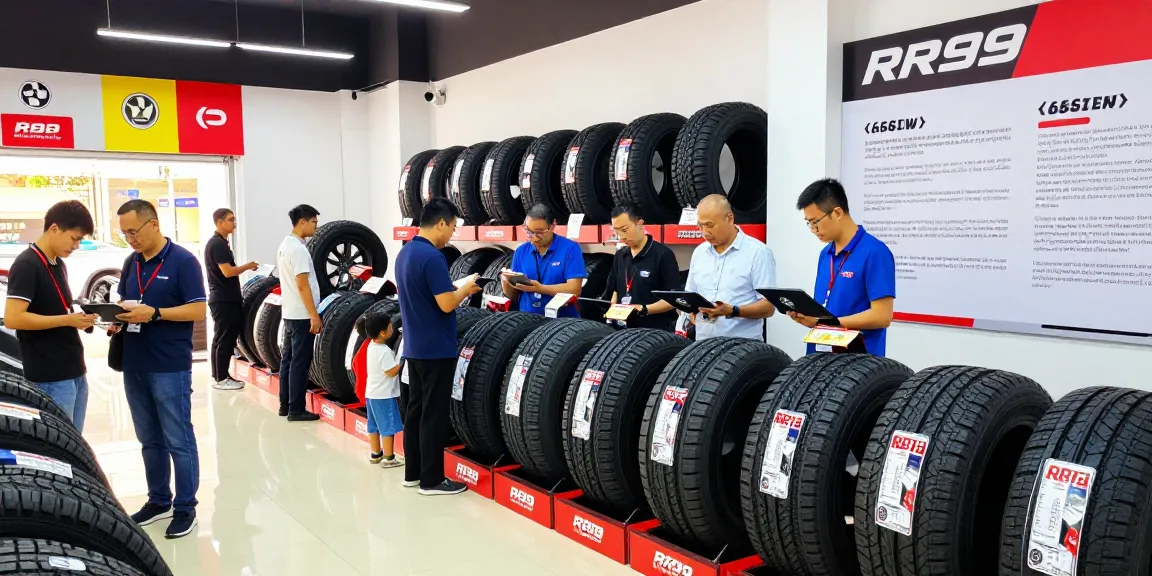
Understanding the Double Coin RR99 Tire
The Double Coin RR99 tire is engineered for versatility, making it ideal for on/off highway applications where durability and performance are essential. Its design incorporates a robust tread pattern that ensures optimal traction and stability in various conditions. Whether you are navigating urban streets or rugged terrains, the RR99 offers a balanced blend of performance traits adapted to meet the demands of commercial trucking and mixed-service operations.
When exploring options, RR99 provides comprehensive insights into the latest tire technology developments that cater to diverse driving conditions. Understanding these features will empower vehicle owners to make informed decisions for their fleet.
Overview of RR99 Features and Specifications
The RR99 tire boasts several distinctive features that enhance its usability. Key specifications include:
- Tread Design: The RR99 features a unique all-position tread pattern designed to accommodate varied driving conditions. Its deep grooves enhance water evacuation, which is crucial for maintaining traction in wet conditions.
- Durability: Constructed with robust compounds, the tire exhibits high resistance to cuts, chips, and abrasions, making it suitable for rough terrains.
- Load Capacity: The tire is designed to carry substantial loads, with certain sizes accommodating weights up to 10,000 lbs, ensuring it meets the demands of commercial applications.
Key Advantages for On/Off Highway Use
The Double Coin RR99 tire provides several advantages that make it a top choice for varied applications:
- All-Position Performance: The versatility of the RR99 allows it to be used in different positions on a vehicle, such as steer, drive, and trailer axles, providing flexibility in fleet management.
- Enhanced Grip: Its tread design ensures superior grip on both wet and dry surfaces, significantly improving safety and handling.
- Fuel Efficiency: Designed to reduce rolling resistance, the RR99 can enhance fuel economy, which is a critical factor for commercial trucking operations.
Choosing the Right Tire for Your Vehicle
When it comes to selecting the right tire for your vehicle, several factors must be considered to ensure compatibility and maximize performance. Understanding your vehicle’s specifications and intended use will help narrow down your options.
Factors to Consider for Vehicle Compatibility
To ensure you select the correct tire, consider the following:
- Vehicle Type: The intended use (commercial vs. personal) will influence the tire you need.
- Tire Size: Always verify that the tire size matches the specifications outlined in your vehicle’s manual or placard.
- Load Rating: Ensure that the tire can handle the load your vehicle will carry, which is crucial for both performance and safety.
How to Measure Tire Size Properly
Correctly measuring tire size is essential for compatibility. The tire size is usually represented in a format such as 11R22.5. Here’s how to interpret it:
- Width: The first number (11) indicates the width of the tire in inches.
- Aspect Ratio: The letter denotes the aspect ratio and tire construction type (R for radial).
- Diameter: The last number (22.5) signifies the diameter of the wheel rim in inches.
Understanding Load Ratings and Specifications
Load ratings signify how much weight a tire can safely carry. It is crucial for ensuring that the tires can support the vehicle’s load without compromising safety or performance. Check the tire’s sidewall markings, which will detail the maximum load capacity and recommended pressure levels.
Installation and Maintenance Best Practices
Proper installation and maintenance of tires significantly extend their lifespan and ensure optimal performance. Here are essential practices to consider:
Step-by-Step Guide to Tire Installation
- Prepare the Vehicle: Remove the existing tire and inspect the wheel hub for any debris or wear.
- Check Alignment: Ensure that the vehicle is on a flat surface, and align the new tire properly.
- Secure the Tire: Tighten the lug nuts in a crisscross pattern to ensure even pressure distribution.
- Inflate to Recommended Pressure: Use a tire pressure gauge to inflate the tire to the manufacturer’s recommended pressure.
Regular Maintenance Tips for Tire Longevity
To maximize the life of your tires and ensure safety, follow these maintenance tips:
- Regular Tire Pressure Checks: Routinely check and maintain the correct tire pressure.
- Rotation: Rotate tires every 6,000 to 8,000 miles to ensure even wear.
- Alignment and Balancing: Ensure proper alignment to avoid uneven wear and enhance handling.
Signs of Wear and When to Replace
Recognizing when to replace tires is crucial for safety. Look for the following signs:
- Tread Wear: If the tread depth is below 2/32 of an inch, it’s time for replacements.
- Cracks or Bulges: Visible damage to the sidewall indicates a need for replacement.
- Vibration: Unusual vibrations during driving may suggest misalignment or tire damage.
Maximizing Performance with the RR99 Tire
Enhancing the performance of your Double Coin RR99 tires involves a combination of proper care and driving habits.
Tips for Optimizing Tire Pressure and Alignment
Maintaining optimal tire pressure is one of the easiest ways to enhance performance:
- Maintain Recommended Pressure: Always keep tires inflated to the manufacturer’s specifications to enhance fuel efficiency and grip.
- Regular Alignment Checks: Misalignment can cause uneven wear and reduce handling; get alignment checked regularly.
Driving Techniques for On/Off Highway Conditions
Adapting your driving style can also affect tire longevity and performance. Consider these techniques:
- Avoid Sudden Stops: Smooth acceleration and deceleration can help reduce tire wear.
- Drive at Moderate Speeds: High speeds generate more heat, which can accelerate wear.
Enhancing Fuel Efficiency with Proper Tire Usage
Fuel efficiency can be improved significantly through proper tire usage:
- Regular Maintenance: Keeping tires properly inflated and aligned minimizes rolling resistance, enhancing fuel economy.
- Travel Light: Reducing excess weight in vehicles can lower fuel consumption and improve tire performance.
Future Trends in Tire Technology
As the tire industry evolves, staying informed about trends can help maximize your vehicle’s performance. Here are some future trends to watch:
Innovations in Tire Design and Manufacturing
Innovative techniques such as sustainable materials and smart technologies are set to revolutionize tire manufacturing. These advancements aim to improve safety, performance, and environmental impact.
Environmental Impact of Tires and Sustainability Practices
The industry is increasingly focusing on sustainability, with manufacturers adopting practices that reduce waste and improve recyclability. Tires are now being designed with materials that have a lesser environmental footprint.
Predictions for the Tire Industry in 2026 and Beyond
Experts predict that the tire industry will see a shift towards smart tires equipped with sensors that provide real-time data about tire health, longevity, and performance characteristics, enhancing safety and user experience.
What is the Double Coin RR99 tire known for?
The Double Coin RR99 tire is renowned for its durability, versatility, and ability to perform under varied driving conditions, making it a preferred option for commercial applications.
How do I choose the right tire for my vehicle?
Choosing the right tire involves understanding your vehicle’s specifications, intended use, and ensuring that the tire’s size and load rating match your requirements.
What maintenance tips are important for tire longevity?
Key maintenance tips include regular pressure checks, timely rotations, and monitoring tread wear to ensure safety and performance over time.
How does tire pressure affect performance?
Proper tire pressure directly impacts handling, fuel efficiency, and tire longevity, making it crucial to maintain the recommended pressure for optimal performance.
What new trends are emerging in tire technology?
Emerging trends include the use of sustainable materials, smart tire technologies, and advancements in manufacturing processes aimed at enhancing performance while reducing environmental impact.